article / August 24, 2026
Storytelling Beyond the Headlines
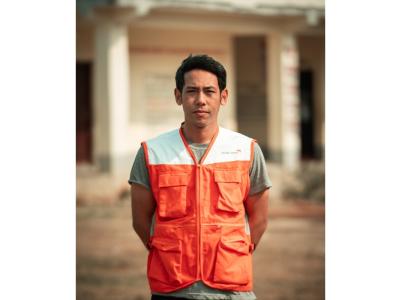
Not all stories make the headlines. Through conversations with children and communities affected by crises, Binod Thapa Magar reflects on the moments that continue to shape his journey as a humanitarian storyteller.
article / August 31, 2026
I Only Lost My Shoe. They Lost Their World.
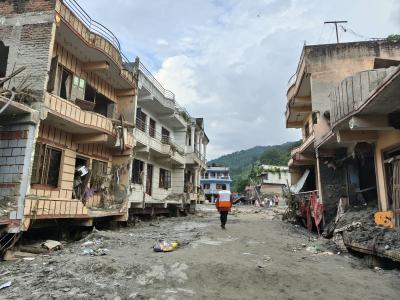
Golden light kissed shattered homes where memories slept beneath the mud. A red teddy bear lay silent in the ruins, carrying the echoes of childhood dreams swept away by the flood. I lost a shoe to the sludge, but thousands lost their homes, their safety, and the ordinary tomorrows they once imagined. Yet resilience rose like a river reed through the silt, bending beneath the torrent but refusing to break, as Bimala, a mother of a sponsored child, walked forward with quiet courage.
And above the wreckage, hope stood like sunlight after rain, stubborn as a seedling pushing through stone, refusing to be washed away.
article / August 20, 2026
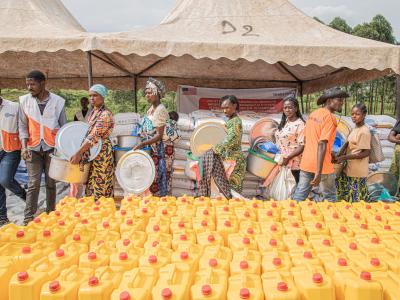
In Nyiragongo and Masisi, 8,000 households regain prospects thanks to the Emergency Response project
This article highlights how World Vision’s Emergency Response project in Nyiragongo and Masisi is helping 8,000 crisis-affected households rebuild their livelihoods and regain hope. Through vocational training, income-generating activities and livelihood kits, women and families have gained practical skills, increased their self-reliance and strengthened their ability to meet their children’s basic needs. Their stories demonstrate how economic empowerment can restore dignity, resilience and confidence among displaced and vulnerable communities.
publication / August 28, 2026
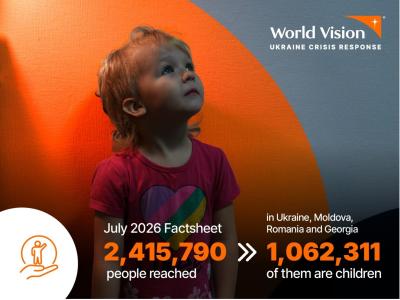
Over 2.4M Lives Supported: July 2026 Factsheet
As of July 2026, World Vision Ukraine Crisis Response has provided critical assistance to 2,415,790 people across Ukraine, Moldova, Romania and Georgia.
article / August 23, 2026
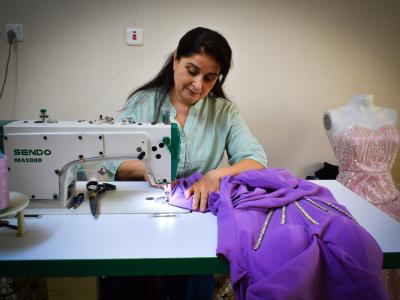
"What If I Ruin It?”: From one pair of trousers to a livelihood of her own
Sahira turned her sewing skills into a growing livelihood, gaining confidence, income and new opportunities to support her family.
publication / June 25, 2026
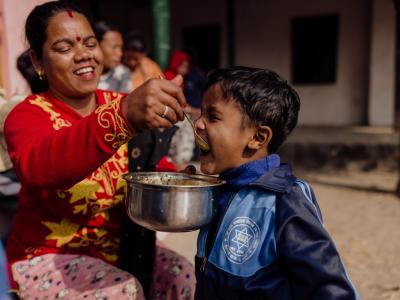
ENOUGH 2025: Driving Progress to End Child Hunger and Malnutrition
ENOUGH 2025, presents key developments in policy, programmes and partnerships three years into the campaign
article / November 13, 2020
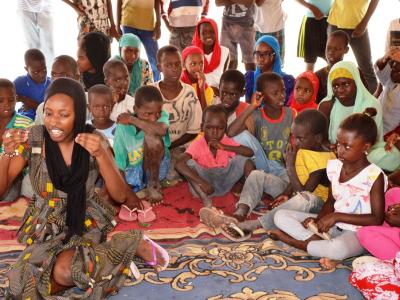
Equipping Mauritanian communities to create a healthy environment for children
In 2016, 37-year-old Koranic teacher Sidi Mohammed met with World Vision staff visiting his neighbourhood to implement sponsorship projects, raise awareness, and identify children in need of support. It was then that Sidi discovered an important model that marked a turning point in his life – the Celebrating Families approach (CFC), whose purpose is to equip communities to create a healthy and loving environment for the well-being of children.
publication / March 10, 2025
Photovoice Training for Community Facilitators
The Photovoice training manual is a comprehensive guide that provides detailed instructions on how to conduct a Photovoice project, including planning, training, facilitation, and evaluation. It is designed for those leading the project.
article / April 8, 2021
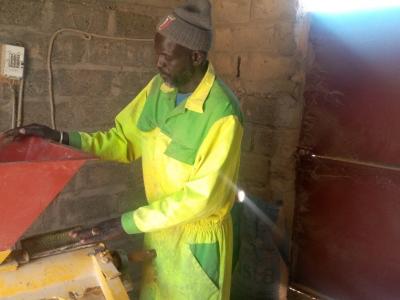
De la chaleur de Cambessa à la verdure de Baboulaye: Le destin d’une récidive à l’émigration clandestine
« Je m’appelle Babacar NDONGU, 45 ans. J’habite à Dioffior dans le quartier de Ndouk, et je suis père de six enfants (moins de 12 ans). J’ai fait quatre tentatives à l’émigration clandestine entre 2017 et 2020.
article / August 7, 2020
Stimuler la restauration à travers les ondes
Les programmes de radio diffusent le bon travail du projet « Regreening Africa » (Reverdir l’Afrique) au Sénégal.